Feed

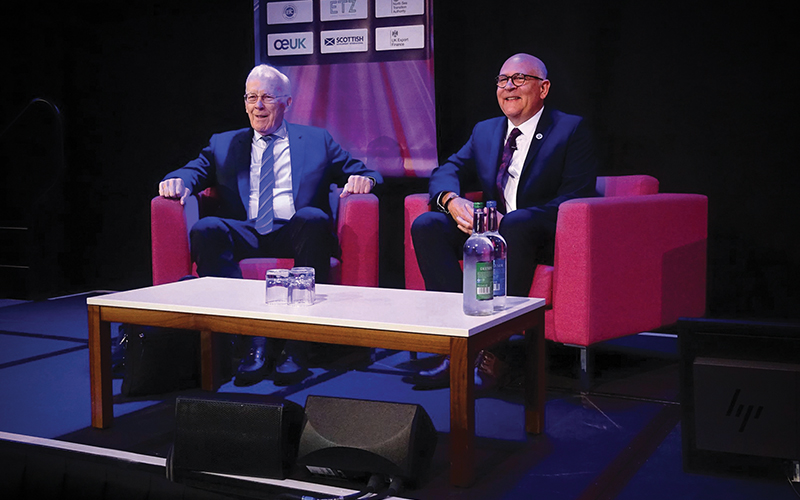
Sir Ian Wood: a legacy of humanity and leadership in the energy sector

The energy sector we know today would be very different without the vision, leadership and persistence of Sir Ian Wood.

Sir Ian Wood, the industrialist who built Wood Group into a global energy powerhouse and reshaped UK offshore safety and policy, died on 26 July at his home in Aberdeen, aged 84.

Sir Ian Wood with Stuart Broadley_CREDIT_EIC.

A day in the life of Henry Gomez, Senior Market Analyst for Latin America and the Caribbean at SGS INSPIRE

Tell us about SGS INSPIRE.

Henry Gomez_Headshot_CREDIT_SGS Inspire

From ambition to execution: building Europe's SMR future

Around the world, the conversation around small modular nuclear reactors (SMRs) has shifted from potential to delivery. In Europe, that matters more than ever.

Europe’s SMR moment has arrived – proven technology, growing government backing and a mobilising supply chain mean the industry can now move from ambition to delivery, together.

Global Nuclear Fuel manufactoring_CREDIT_Supplied

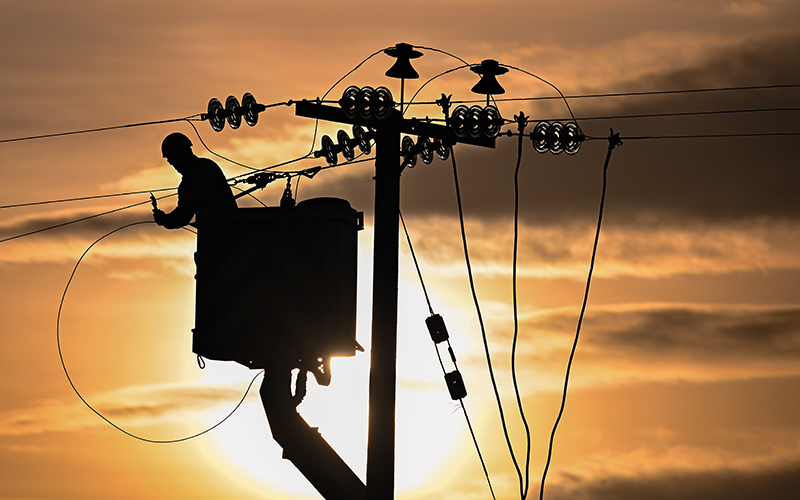
Connecting Scotland's offshore wind boom

Offshore wind is one of the most significant renewable energy sources, with the UK targeting up to 50GW by 2030 to help it reach net zero.

SSEN Transmission’s £29bn grid programme is racing to keep pace with Scottish offshore wind volumes – as record clean energy auctions and further contract rounds make transmission capacity, not turbine numbers, the test of net-zero delivery.

Worker on powerlines_CREDIT_Gettyimages-1367862061

Gas security rewrites the LNG map

Two developments are redrawing the map of global liquefied natural gas (LNG) supply.

As Russian pipelines close and Gulf routes turn risky, liquefied natural gas buyers chase secure supply – driving a global race for capacity.

LNG ship_CREDIT_iStock-1661456425

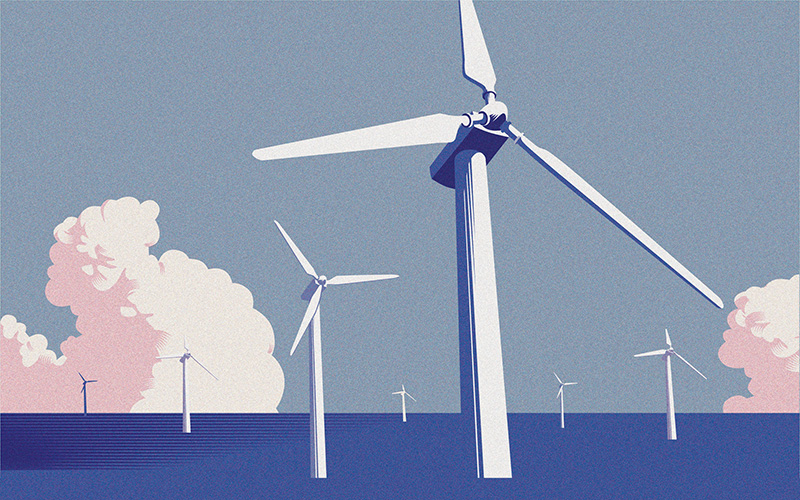
Facing off to wind

Around 16GW of floating wind capacity was announced worldwide in 2025 – a 44% increase from 2024. Despite this, fixed-bottom projects remain the industry’s foundation.

Offshore wind is developing at two speeds: fixed-bottom leads near-term investment decisions and subsidy awards, while floating wind still lags behind.

Wind turbines_CREDIT_iStock-2156919739

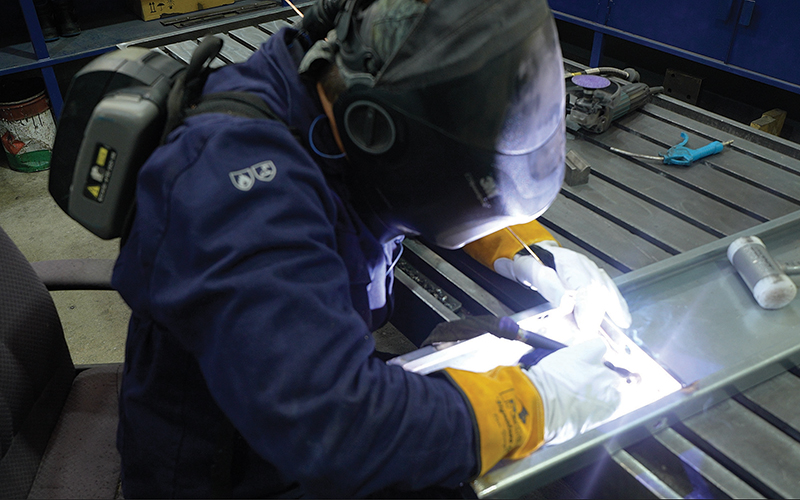
Why thermal engineering will define next-generation low-carbon energy

The energy transition is often associated with hydrogen, carbon capture, renewable power and sustainable fuels.

Hydrogen, carbon capture and renewables dominate the transition narrative, but thermal engineering quietly makes each one commercially and technically viable.

Person welding_CREDIT_Sterling Thermal Technology

Resilience, recovery and the road to 2027

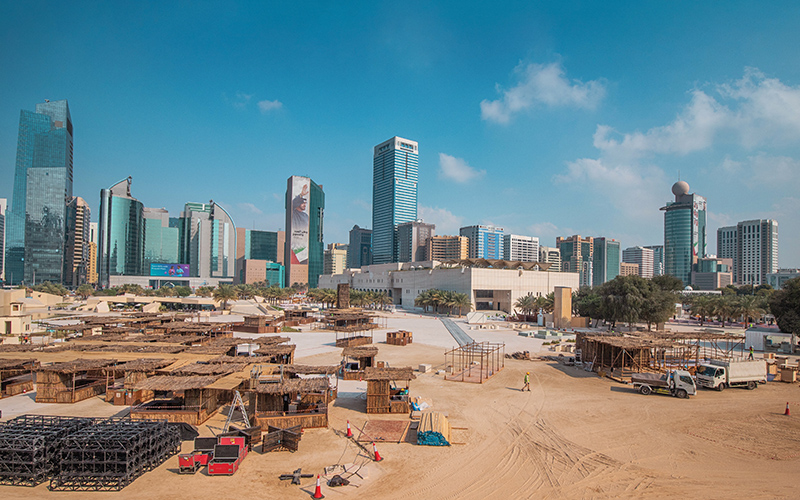
The past few months have once again demonstrated the remarkable resilience of the Middle East’s energy sector.

Despite months of geopolitical turbulence, the Middle East’s energy sector has proved resilient. As investment holds firm and reconstruction looms, the region is shifting from managing uncertainty to shaping the next phase of global energy growth.

Construction in Abu Dhabi, UAE.credit_shutterstock_2577763291

Securing energy sovereignty

If 2026 has taught us anything, it is that physical trade – and the waterways on which relies – remains incredibly important in an increasingly digital age.

With tensions in Strait of Hormuz rumbling on and vulnerabilities across key energy trade routes laid bare, governments and businesses are accelerating efforts to develop alternative infrastructure, new geopolitical alliances and strategic bypass mechanisms.

Crown_CREDIT_iStock_And_Gemini Generated Image

A project pipeline is not a supply chain

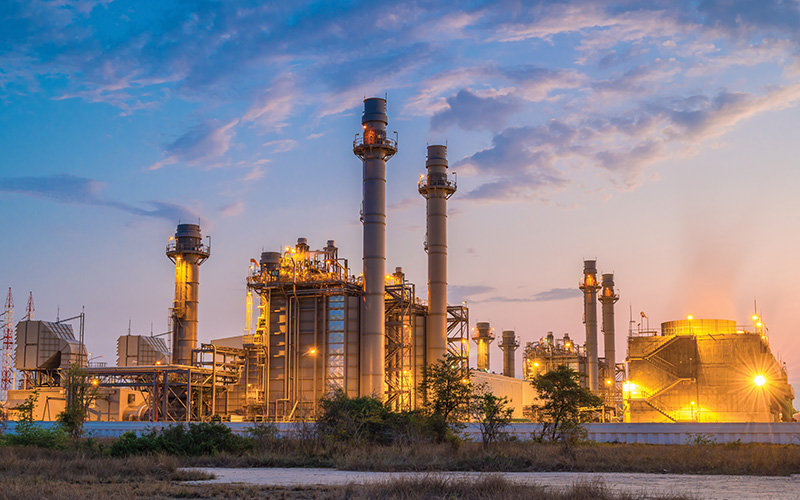
Energy policy is often measured by targets, announced capacity and the size of the development pipeline, but the supply chain experiences things differently.

EIC’s 10th Survive & Thrive report finds a sector growing steadily but wary of hollow promises. Two member companies show what it actually takes to turn a pipeline of announced projects into real, deliverable capability.

Gas turbine electrical power plant.CREDIT_Shutterstock_1723451140.jpg
Subscribe to Feed